Recommended Points
What does “Tanah Lot” mean?
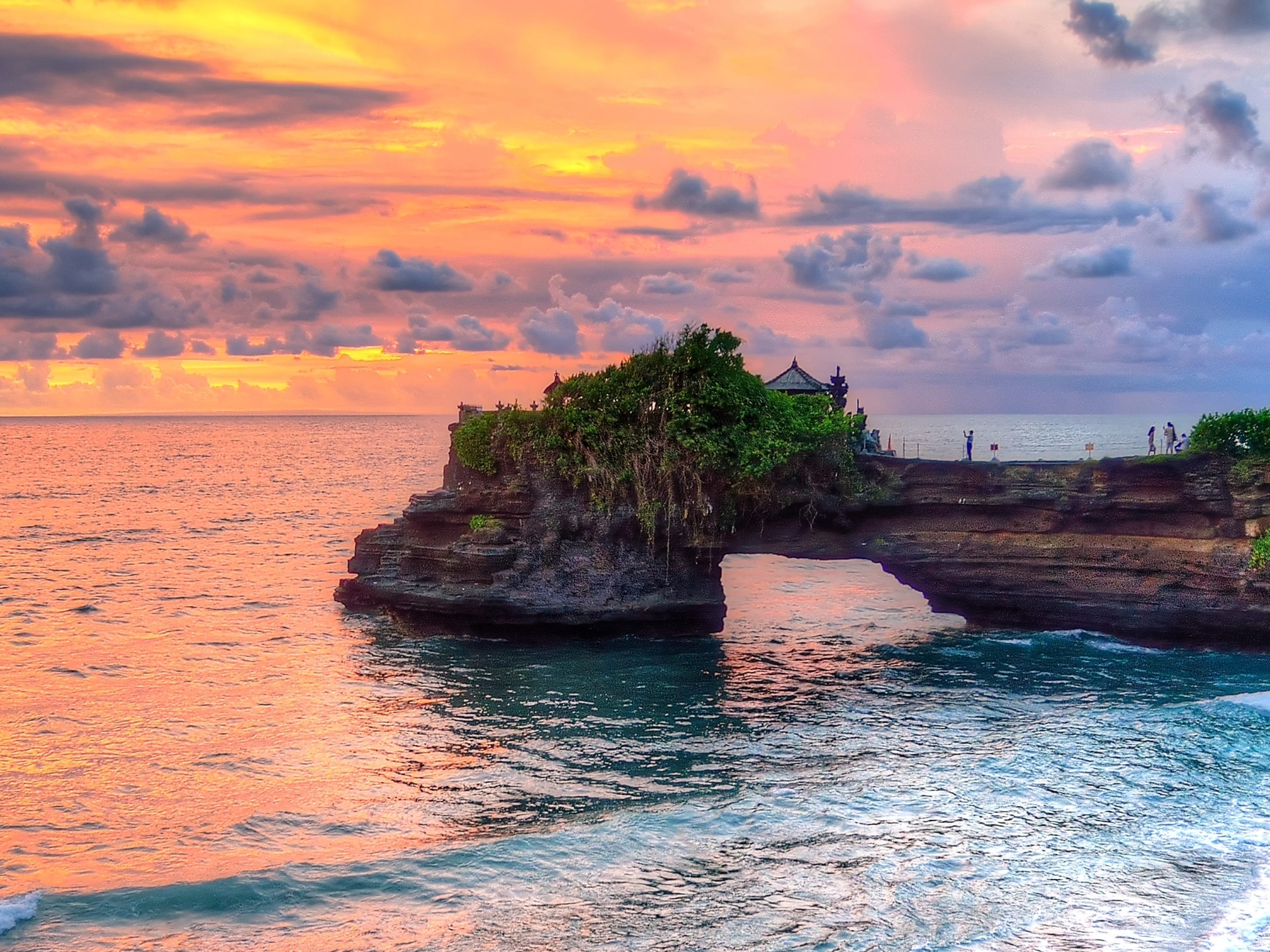
Tanah Lot Temple comes from the Balinese language, meaning “land in the sea.”
In the 16th century, the Javanese high priest Dang Hyang Nirartha visited this area during his journey.
He discovered a beautiful small island rising from the sea and decided to stay there for a night.
Believing the site to be sacred and suitable for worshipping the sea gods of Bali, he instructed the local people to build a temple at this location.
Tanah Lotとはバリ語で “海の中にある土地” という意味。
16世紀にジャワの高僧ニラルタが旅の途中でこの土地に赴いた時、海の上に浮き出た美しい小島を見つけ、ここで一晩過ごすことにしました。ニラルタは、ここが「バリの海神を祀る神聖な場所」となることを確信し、ここに寺院を建てるように人々に伝えます。
Tanah Lot Temple comes from the Balinese language, meaning “land in the sea.”
In the 16th century, the Javanese high priest Dang Hyang Nirartha visited this area during his journey.
He discovered a beautiful small island rising from the sea and decided to stay there for a night.
Believing the site to be sacred and suitable for worshipping the sea gods of Bali, he instructed the local people to build a temple at this location.
Tanah Lotとはバリ語で “海の中にある土地” という意味。
16世紀にジャワの高僧ニラルタが旅の途中でこの土地に赴いた時、海の上に浮き出た美しい小島を見つけ、ここで一晩過ごすことにしました。ニラルタは、ここが「バリの海神を祀る神聖な場所」となることを確信し、ここに寺院を建てるように人々に伝えます。
タナロット寺院とは?
タナロット寺院(インドネシア語:Pura Luhur Tanah Lot)は、インドネシア・バリ島中西部の海岸にある寺院で、バリ六大寺院のひとつ。干潮時には陸続きとなり、歩いて渡ることができる。夕暮れ時には美しいシルエットを形成し、多数の観光客が訪れている。
エルニーニョ現象による海面の上昇などが原因で、海岸の浸食が進んでいたが、日本のODAによる景観を再生するプロジェクトが行われている。
名前の由来は、「真ん中の土地」という意味の“トゥンガ・ロット“が変化したものといわれている。
また、通称ロックテンプルとも呼ばれている。バリ島と地続きでつながっていましたが、徐々に波の浸食の影響を受け、現在は海に浮かんでいるような状態です。
エルニーニョ現象による海面の上昇などが原因で、海岸の浸食が進んでいたが、日本のODAによる景観を再生するプロジェクトが行われている。
名前の由来は、「真ん中の土地」という意味の“トゥンガ・ロット“が変化したものといわれている。
また、通称ロックテンプルとも呼ばれている。バリ島と地続きでつながっていましたが、徐々に波の浸食の影響を受け、現在は海に浮かんでいるような状態です。
敷地内には、浸食によって形づくられた複数の洞窟があり、バリ島ではそこに生息するウミヘビは神聖なものであるとされています。
干潮時にのみ近づける寺院のタナロット寺院は、潮の満ち引きによって変わる景観が特徴。潮が満ちているときは寺院が海に浮かんでいるように見えますが、潮が引くと寺院に続く道が現れ、歩いて近くまで行くことができます。その一風変わった美しい景色を見るために、国内外から多くの観光客が訪れています。
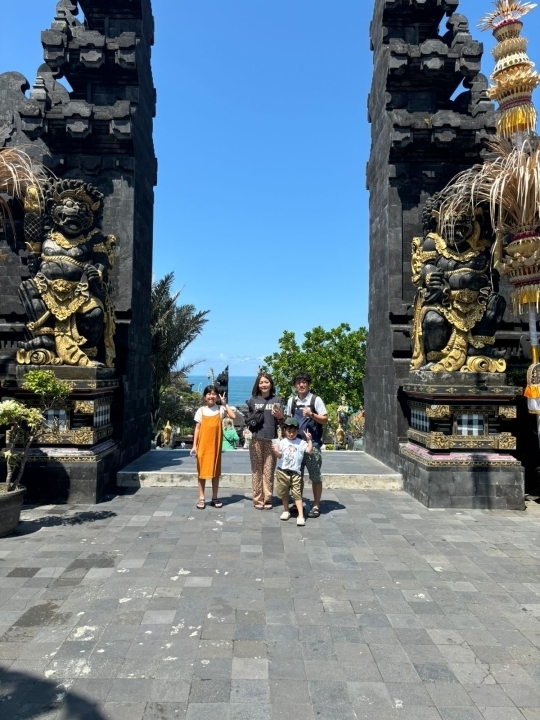
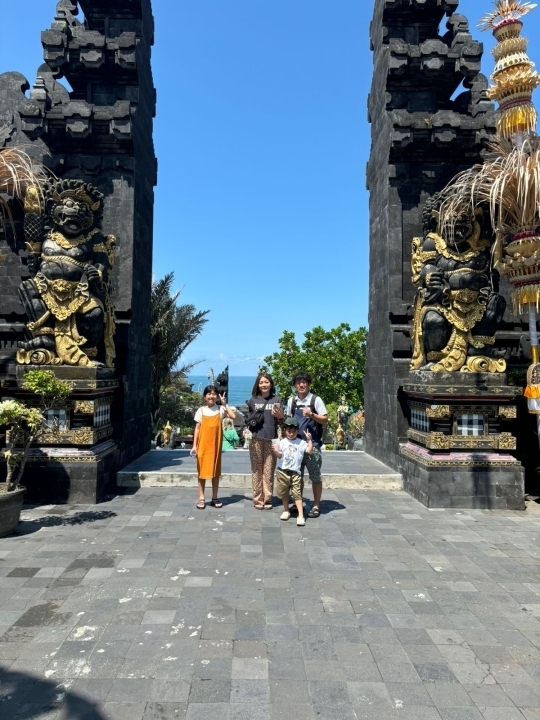
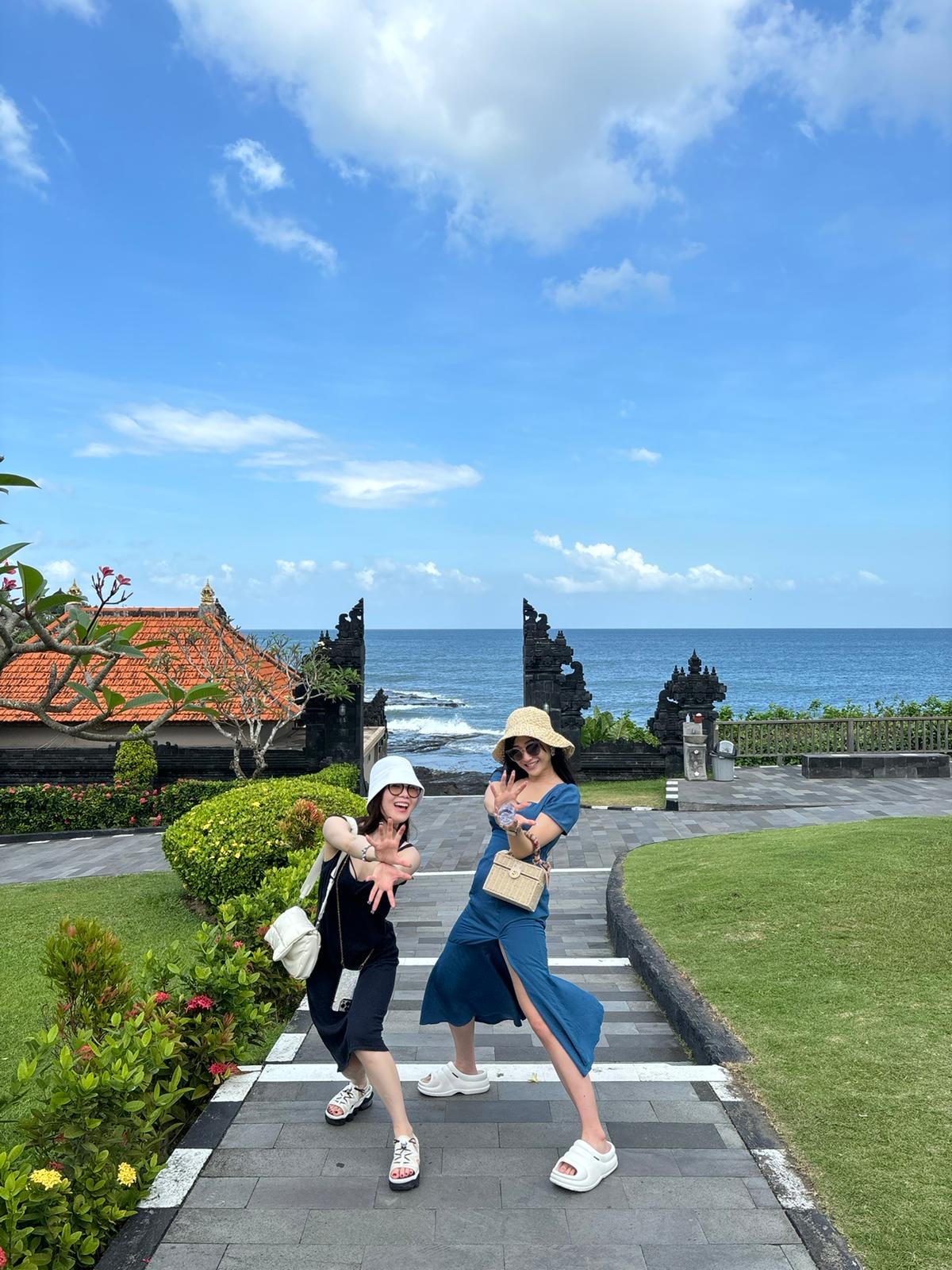
タナロット寺院へつづく参道の突き当りに待っているのは、インパクトのある割れ門が!左右非対称の形に独特なデザインが施されていて、この門をくぐると邪悪なものが浄化されると言われています。門の向こうには壮大な海が広がっていて、思わず足を止めて写真を撮りたくなってしまうような、フォトジェニックなスポットでもあります。
寺院内部へのアクセスは、ヒンドゥー教徒に限られていますが、寺院が建つ岩の下にはスピリチュアルなパワースポットとして人気な聖水が湧き出る泉がありヒンドゥー教徒以外の観光客も近づくことが可能です。
タナロット寺院へつづく参道の突き当りに待っているのは、インパクトのある割れ門が!左右非対称の形に独特なデザインが施されていて、この門をくぐると邪悪なものが浄化されると言われています。門の向こうには壮大な海が広がっていて、思わず足を止めて写真を撮りたくなってしまうような、フォトジェニックなスポットでもあります。
寺院内部へのアクセスは、ヒンドゥー教徒に限られていますが、寺院が建つ岩の下にはスピリチュアルなパワースポットとして人気な聖水が湧き出る泉がありヒンドゥー教徒以外の観光客も近づくことが可能です。
-
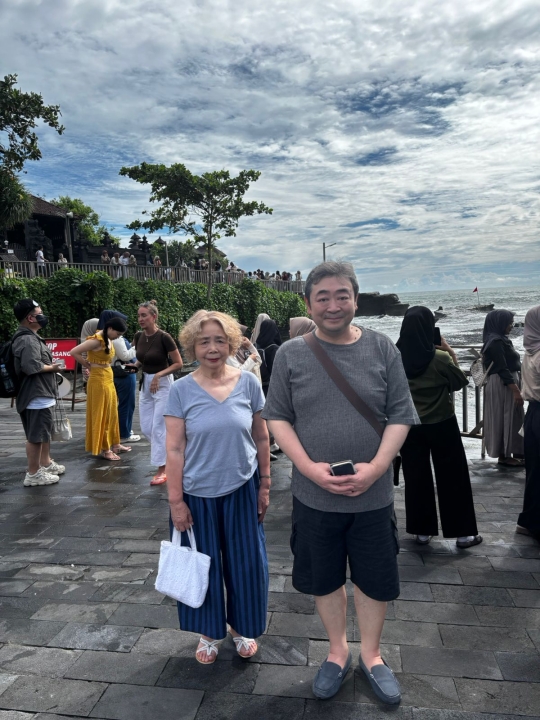
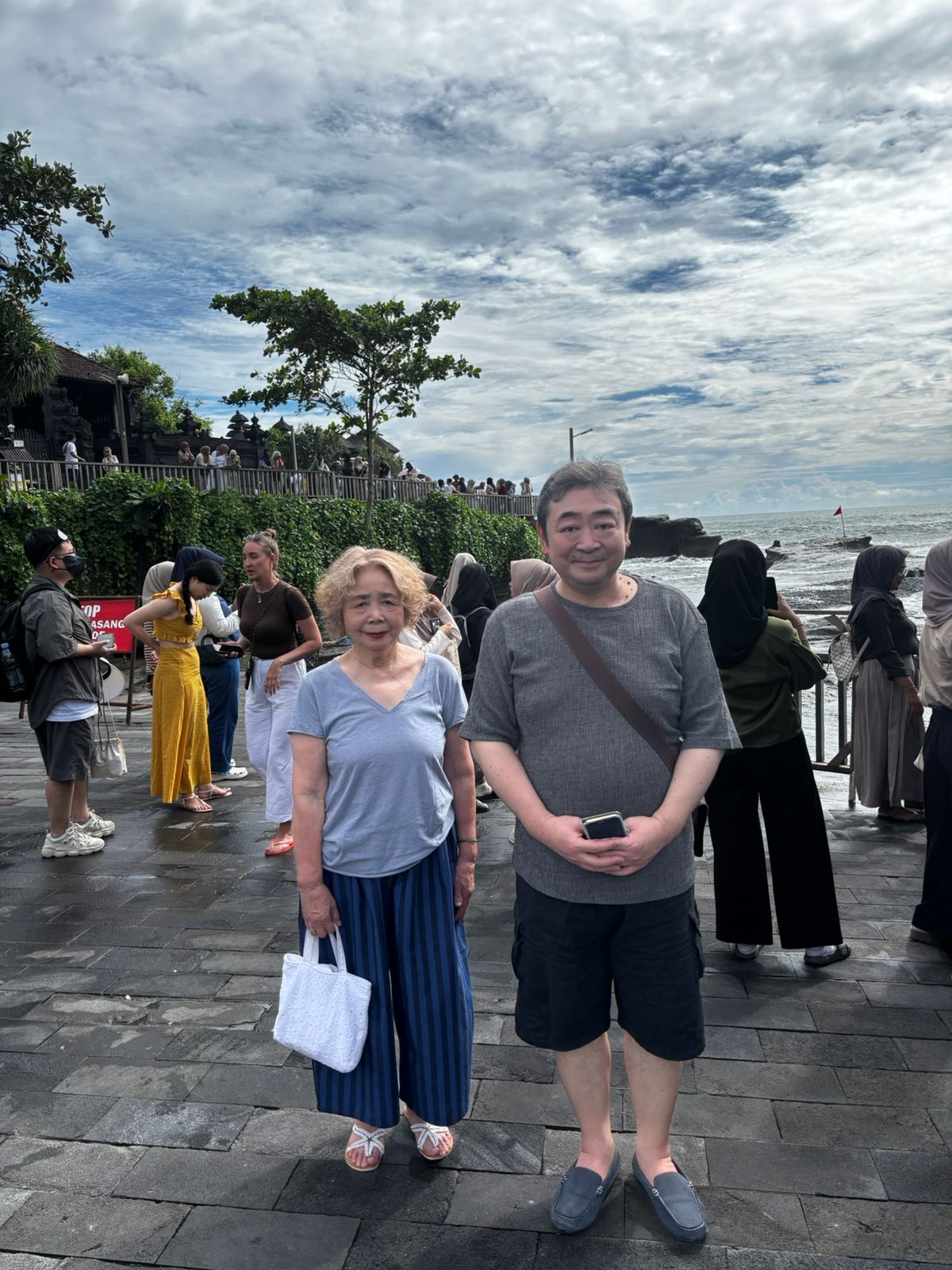
家族みんなでタナロットを参拝しました💛 -
夜の23時まで14時間遊び倒しました!仲良し3人組💛 -
ハネムーンで💛
Tanah lot Temple
What is Tanah Lot Temple?
Tanah Lot Temple (Indonesian: Pura Luhur Tanah Lot) is a temple located on the mid-western coast of Bali and is one of the island’s six key temples.
During low tide, the temple becomes accessible by foot as a pathway appears connecting it to the mainland.
At high tide, it appears to float on the sea, creating a dramatic and iconic view—especially at sunset, when many visitors gather to admire its silhouette.
The name is also believed to have evolved from “Tengah Lot,” meaning “land in the middle.”
It is often referred to as the “Rock Temple.”
Originally connected to the mainland, the temple gradually became separated due to continuous coastal erosion caused by ocean waves.
Efforts to restore and preserve the coastline have been carried out, including projects supported by Japanese ODA.
⸻
Within the area, there are several caves naturally formed by erosion.
Sea snakes living in these caves are considered sacred in Balinese belief.
One of the unique features of the temple is how its appearance changes with the tides.
At high tide, it looks like it is floating on the ocean, while at low tide, visitors can walk closer to it.
This ever-changing scenery attracts many tourists from around the world.
⸻
At the end of the pathway leading to the temple, you will find an impressive split gate with a distinctive asymmetrical design.
It is believed that passing through this gate purifies negative energy.
Beyond the gate, a magnificent ocean view spreads out, making it a highly photogenic spot where visitors naturally stop to take pictures.
⸻
Access to the inner temple is restricted to Hindu worshippers only.
However, beneath the rock on which the temple stands, there is a sacred freshwater spring known as a spiritual power spot.
Even non-Hindu visitors are allowed to approach this area.
⸻
If you want, I can also  create a shorter, more sales-focused version for your car charter or spa customers.
Tanah Lot Temple (Indonesian: Pura Luhur Tanah Lot) is a temple located on the mid-western coast of Bali and is one of the island’s six key temples.
During low tide, the temple becomes accessible by foot as a pathway appears connecting it to the mainland.
At high tide, it appears to float on the sea, creating a dramatic and iconic view—especially at sunset, when many visitors gather to admire its silhouette.
The name is also believed to have evolved from “Tengah Lot,” meaning “land in the middle.”
It is often referred to as the “Rock Temple.”
Originally connected to the mainland, the temple gradually became separated due to continuous coastal erosion caused by ocean waves.
Efforts to restore and preserve the coastline have been carried out, including projects supported by Japanese ODA.
⸻
Within the area, there are several caves naturally formed by erosion.
Sea snakes living in these caves are considered sacred in Balinese belief.
One of the unique features of the temple is how its appearance changes with the tides.
At high tide, it looks like it is floating on the ocean, while at low tide, visitors can walk closer to it.
This ever-changing scenery attracts many tourists from around the world.
⸻
At the end of the pathway leading to the temple, you will find an impressive split gate with a distinctive asymmetrical design.
It is believed that passing through this gate purifies negative energy.
Beyond the gate, a magnificent ocean view spreads out, making it a highly photogenic spot where visitors naturally stop to take pictures.
⸻
Access to the inner temple is restricted to Hindu worshippers only.
However, beneath the rock on which the temple stands, there is a sacred freshwater spring known as a spiritual power spot.
Even non-Hindu visitors are allowed to approach this area.
⸻
If you want, I can also  create a shorter, more sales-focused version for your car charter or spa customers.